Color is not just a visual tool; it’s a language that communicates emotions and intentions. Understanding this language can be the key to creating designs that resonate deeply with your audience and leave a lasting impression.
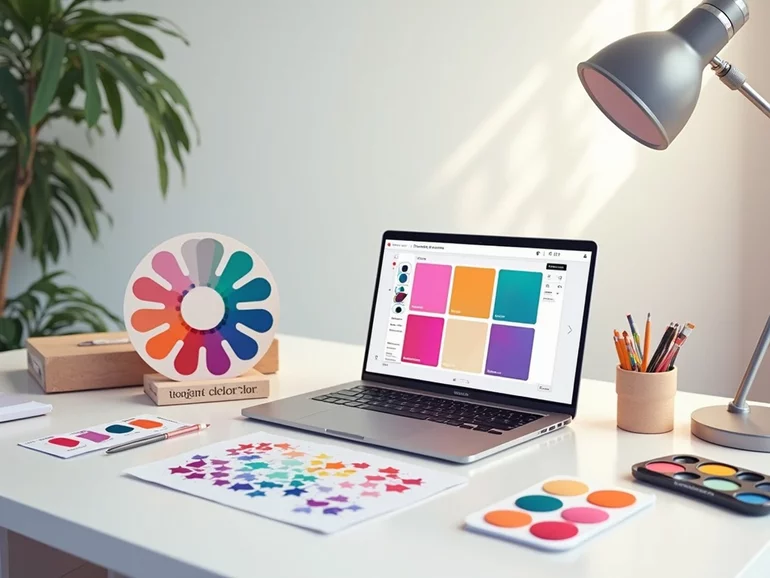
Color choices can significantly affect communication, user behavior, and emotional responses in design. Below is a visual representation of these impacts.
Colors can convey messages and emotions without words, enhancing the clarity of your design.
Strategic color use can lead users to take desired actions, making navigation intuitive.
Different colors evoke different feelings, from calmness to excitement, influencing user interaction.
High contrast between text and background colors enhances legibility.
As a graphic designer, I’ve come to realize that color theory is the backbone of effective design projects. It’s not just about picking pretty colors; it’s about understanding how colors interact and influence perceptions. When we grasp the principles of color theory, we can create designs that resonate with audiences and convey the right message. Learn more about exploring graphic design and print to enhance your projects.
The significance of color theory can’t be overstated. It helps in making informed choices that enhance the user experience and ensures that our designs are not only visually appealing but also meaningful. At Print Shop Bunbury, we believe that every design element should serve a purpose, and color is a key player in that narrative.
When embarking on a new design project, the first step often involves selecting the right colors. This decision can make or break the overall impact of the work. Here’s why understanding color theory is crucial:
In my experience, color choices need to be thoughtfully aligned with the project’s goals. For example, vibrant colors can attract attention, while muted tones might be more suitable for professional contexts. At Print Shop Bunbury, we strive to ensure that every design aligns with our clients’ branding strategies and speaks to their audience. This also ties into how Pantone colors and brand identity are intrinsically linked.
Color selection plays a critical role in shaping user experiences. When users interact with designs that utilize color effectively, they are more likely to feel connected and engaged. Some impacts of color selection include:
For instance, at Print Shop Bunbury, I often recommend using deep blue for headers to instill a sense of trust and professionalism. This small tweak can enhance the overall perception of a brand and its materials.
Color isn’t just a design element; it’s a vital aspect of branding and identity. Every color choice sends a message about the brand’s values and mission. Here’s how color plays a role in establishing a brand:
At Print Shop Bunbury, we work closely with clients to create color palettes that reflect their identity and appeal to their target demographic. This attention to detail can significantly elevate a brand’s presence in the marketplace.
Let’s dive deeper into understanding the color wheel and how it can enhance our design projects. The color wheel is a fundamental tool in color theory, providing insights into color relationships and interactions.
By familiarizing ourselves with the components of the color wheel, we can make better color selections that not only look good but also create harmony in our designs. Remember, at Print Shop Bunbury, our goal is to empower brands with exceptional design that leverages these principles effectively! For more on this topic, explore understanding color in design.
When selecting colors for your designs, consider the psychological impact of each hue. For instance, while red can evoke feelings of excitement and urgency, blue tends to instill calmness and trust. Use this knowledge to align your color choices with the emotions you want to elicit from your audience.
Here are some common questions about the role of color in graphic design:
As we wrap up our exploration of color pairing in graphic design, it’s essential to recognize the significant role colors play in crafting visual narratives. At Print Shop Bunbury, we know that effective color selection can transform a simple design into a striking masterpiece that resonates with the audience. By understanding color theory, we can elevate our designs, making them not just visually appealing but also highly functional.
Here are some key takeaways to keep in mind when selecting colors for your projects:
Balancing aesthetic appeal with functionality is crucial! As you integrate these principles into your design process, remember that the right colors can communicate messages and evoke emotions effectively.
When it comes to color selection, integrating the principles of color theory into your design process can yield remarkable results. The right palette will not only enhance your work but also forge a strong connection with your audience. It’s about making informed choices that support your overall branding and marketing goals, much like what we do at Print Shop Bunbury.
Here are some practical tips to help you make effective color selections:
Remember, the art of color pairing is a vital skill, and practice makes perfect! Regularly experimenting with different hues can lead to unexpected and delightful results in your designs. This can also be seen in how color psychology in print marketing directly impacts consumer decisions.
As a designer, embracing the concepts of color theory is a journey, and continuous learning is key! At Print Shop Bunbury, we constantly seek ways to refine our design techniques, ensuring we stay ahead of the curve. This dedication to learning not only fuels creativity but also fosters innovation in our projects. So, I encourage you to dive deeper into the world of colors!
Here’s how you can continue your journey in mastering color theory:
As you hone your skills, feel free to share your color pairing experiences with us! I’d love to hear how you’ve implemented these techniques in your designs.
Your experiences with color pairing can greatly enrich our understanding of this vital aspect of graphic design. What challenges have you faced, and what successes have you celebrated? Sharing these stories can foster a community of learning and creativity!
Additionally, don’t forget to check out resources for further exploration of color theory. Books, online courses, and webinars can provide valuable insights and fresh perspectives. At Print Shop Bunbury, we believe that knowledge is power, and embracing growth is essential for every designer. For instance, understanding color trends for branding in 2025 can significantly enhance your forward-thinking designs.
So, let’s keep the conversation going! I can’t wait to hear about your color journeys and how you’re applying these principles in your next projects!
Here is a quick recap of the important points discussed in the article: