Red
Passion, excitement, and urgency.

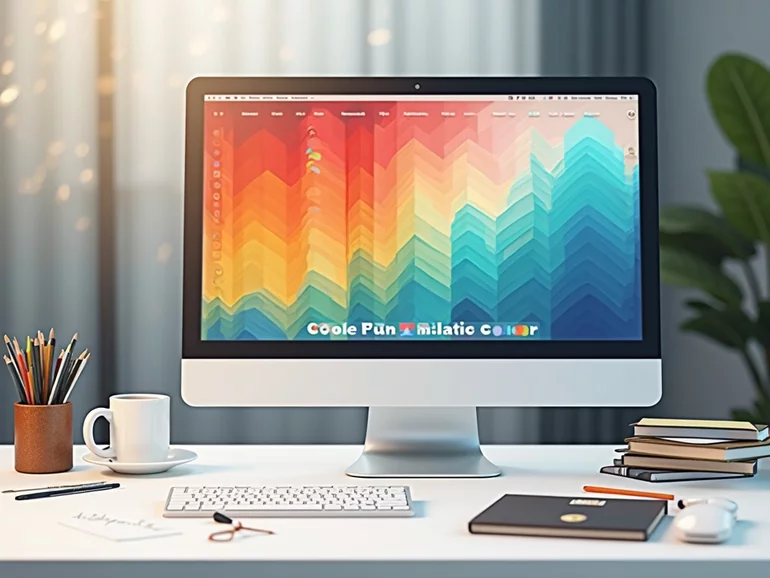
Did you know that up to 90% of snap judgments about products can be based solely on color? Understanding color psychology is not just an artistic choice; it's a crucial aspect of effective graphic design that can significantly influence consumer behavior.
Colors evoke specific emotions and influence consumer behavior. Below is a side-by-side comparison of how different colors can affect feelings.
Passion, excitement, and urgency.
Energy, enthusiasm, and warmth.
Happiness, optimism, and cheerfulness.
Growth, calmness, and harmony.
Trust, peace, and reliability.
Creativity, luxury, and wisdom.
Elegance, sophistication, and power.
Simplicity, purity, and cleanliness.
When it comes to graphic design, color is more than just a visual element; it’s a powerful tool that can stir emotions and influence perceptions. Think about how certain colors can uplift your spirits or create a sense of calm. For instance, warm colors like red and orange can evoke feelings of energy and excitement, while cool colors like blue and green often promote tranquility and relaxation. This emotional impact is at the heart of color psychology and is crucial for successful design! For more insights into how design principles affect various outcomes, consider exploring graphic design and print.
As a graphic designer at Print Shop Bunbury, I often find myself exploring how color choices resonate with audiences. This exploration reveals that color can significantly affect consumer behavior, leading to decisions influenced by emotional responses. Understanding the emotional impact of color allows us to craft designs that connect with viewers on a deeper level, enhancing their overall experience.
Colors have a profound ability to evoke specific emotions. Here’s a quick breakdown of how different color families can influence our feelings:
Using these emotional cues strategically can help refine any design project. As a designer, I strive to align these colors with the brand’s message and audience expectations. For example, at Print Shop Bunbury, we often utilize these insights to enhance business cards and marketing materials, ensuring they resonate with the desired audience!
Color psychology is the study of how colors influence perceptions and behaviors. In graphic design, this concept plays a vital role in shaping consumer perception and decision-making processes. When selecting colors for a project, it's important to consider not only the aesthetics but also the psychological effects these colors can have on the target audience.
Research has shown that colors can impact brand recognition and customer loyalty. For example, a consistent color scheme can create a strong brand identity, making it easier for consumers to connect with your brand. At Print Shop Bunbury, we focus on these aspects, crafting unique designs that not only look good but also evoke the right feelings and associations for each client. This way, we help businesses make lasting impressions in a crowded marketplace! To understand more about how specific color systems like Pantone influence brand identity, check out our article on Pantone Colors and Brand Identity.
As we dive deeper into the world of color psychology, it becomes clear that integrating color theory into graphic design practices enhances the effectiveness of our work. By understanding core concepts such as complementary and analogous colors, we can make informed design choices that align with our clients' branding objectives.
Color theory is a foundation for effective design, encompassing several key concepts:
By applying these principles, designers can create stunning visuals that not only capture attention but also convey the intended message. At Print Shop Bunbury, we leverage color theory to craft designs that stand out while ensuring they remain aligned with our clients’ branding strategies. It’s all about finding that perfect balance!
In graphic design, understanding color models is essential for effectively translating colors across different mediums. There are two primary color models that designers should be familiar with:
Choosing the right color model for your project can significantly impact the final outcome. At Print Shop Bunbury, we ensure that our clients’ designs transition seamlessly from digital to print, achieving vibrant and accurate colors every time!
Brand colors play a pivotal role in building associations and influencing consumer behavior. A well-thought-out color scheme can help convey a brand’s identity and values. Here are a few considerations for applying color schemes effectively:
By embedding these principles into our design process at Print Shop Bunbury, we help clients develop strong brand identities that leave a lasting impression on their audience. After all, the right colors can make all the difference in how a brand is perceived! For more on how to enhance branding with effective design and print, consider reading about enhancing branding with design and print.
We want to know your thoughts! Which color do you believe has the most powerful impact on consumer behavior? Vote below:
As we wrap up our exploration of color psychology, it’s clear that strategic color choices hold immense power in graphic design. These choices can significantly influence how consumers perceive a brand and how they feel when interacting with it. A well-thought-out color scheme can evoke desired feelings and lead to greater brand loyalty, especially for companies like Print Shop Bunbury, where the visual identity is paramount.
Incorporating the principles of color psychology is not merely an aesthetic decision; it’s about understanding the emotional resonance behind each hue. By appealing to consumers' emotions through color, businesses can enhance their overall branding strategy and foster deeper connections with their audience.
Research shows that up to 90% of snap judgments about products can be based on color alone! This highlights the need for a thoughtful approach when selecting colors for design projects. Here are key aspects to consider:
As I craft designs at Print Shop Bunbury, I always keep these insights in mind. They guide my choices, ensuring that my designs not only look good but also resonate with the audience's emotions and experiences.
Another vital aspect of color psychology is its role in fostering engagement. Using interactive elements and visually appealing colors can keep users interested and encourage them to explore content further. Consider these strategies for enhancing user engagement:
In my own projects, I’ve found that well-planned colors not only improve aesthetics but also boost user interaction. It’s an effective way to keep your audience engaged, which is essential for any marketing material. For example, integrating these color strategies can significantly enhance the effectiveness of graphic designs impact on advertising campaigns.
Now that we’ve discussed the principles of color psychology, it’s time to take action! I encourage designers to apply these insights in their work. Start by experimenting with different color palettes that reflect your brand’s essence and emotional messaging.
Here are some steps to consider:
At Print Shop Bunbury, I often undertake this experimentation phase, which aids in creating designs that truly resonate with clients' visions and expectations.
Creating mood boards and color palettes is a fantastic way to align your design projects with branding objectives. Here’s how to get started:
This process has been invaluable in my work at Print Shop Bunbury, helping ensure that every design choice aligns with our clients' marketing goals. Furthermore, considering color trends for branding in 2025 can provide a competitive edge.
As we conclude this segment on color psychology, I invite you to share your thoughts and experiences. What colors resonate with your brand? Have you found specific colors to be more effective in driving consumer engagement? Engaging in discussions about these topics can foster a rich community of learning and creativity.
At Print Shop Bunbury, we're always eager to hear from fellow designers and businesses about their insights. Let’s explore how we can use color psychology to enhance our designs and marketing efforts together!
Here is a quick recap of the important points discussed in the article: