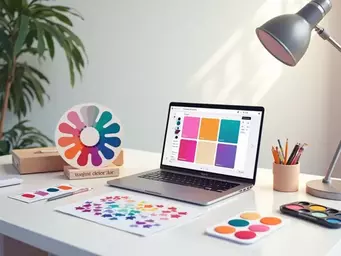

Color isn't just a visual element; it's a potent psychological tool that can significantly influence consumer behavior. Understanding how different hues affect emotions can transform your marketing strategy and enhance brand perception.
Understanding colors can significantly influence consumer behavior and purchasing decisions. Here are some important statistics and insights that demonstrate this relationship. To learn more about how design impacts advertising, check out our article on graphic design's impact on advertising.
Up to 90% of snap judgments made about products can be based on color alone, making color choice crucial for brand identity.
Colors can create emotional ties; for instance, blue instills trust while yellow generates happiness.
Consistent use of color helps establish and reinforce brand identity, making brands more recognizable.
Color can significantly impact the likelihood of a consumer making a purchase, guiding their choices.
When it comes to marketing, color isn’t just eye candy; it's a powerful tool that can influence consumer behavior and shape perceptions. As a graphic designer at Print Shop Bunbury, I have seen firsthand how the right color choices can transform a marketing campaign. Let’s explore the fascinating world of color psychology and its profound impact on print marketing!
Color psychology is the study of how colors affect human emotions and behaviors. Different colors can evoke distinct feelings and reactions, which marketers can leverage to connect with consumers. For example, warm colors like red and orange can create excitement, while cooler tones like blue and green tend to give a sense of calm and trust.
Understanding this concept is crucial for businesses looking to enhance their marketing strategies. For instance, at Print Shop Bunbury, we often recommend color palettes that align with our clients' brand messages, providing them with a competitive edge in a crowded market. You can explore more about this topic in our blog post, Understanding Color in Design.
Colors play a significant role in how consumers perceive brands and make purchasing decisions. Up to 90% of snap judgments made about products can be based on color alone. That's why choosing the right colors for your print materials is essential! Here are some key points to consider:
Colors are not just visual elements; they are emotional cues. For instance, using blue in your marketing materials can evoke feelings of trust and security, which is why many financial institutions incorporate this color into their branding. On the other hand, yellow can generate feelings of happiness and positivity, making it a great choice for brands looking to create a warm and inviting atmosphere.
At Print Shop Bunbury, we always consider these emotional implications when designing print materials. Understanding the psychological effects of colors enables us to create designs that resonate deeply with the target audience.
Many brands have successfully used color psychology to enhance their marketing efforts. Here are a few notable examples:
These brands illustrate the powerful impact that color can have on consumer perception and brand identity. When we design print materials for our clients, we keep these case studies in mind to ensure their colors align with their messages!
The psychological effects of color extend beyond mere aesthetics; they influence how consumers engage with brands. Engaging colors can lead to:
By incorporating these insights into print marketing strategies, businesses can foster stronger connections with their audience. In my experience at Print Shop Bunbury, utilizing color effectively has been a game-changer for many clients, elevating their marketing campaigns to new heights! For further details on enhancing your print strategies, consider reading about enhancing marketing with print finishes.
Consider conducting a color audit of your existing marketing materials. This involves reviewing the colors used across all platforms to ensure consistency and alignment with your brand identity. A cohesive color strategy can significantly enhance brand recognition and consumer trust.
Here are some common questions about how color psychology impacts marketing and branding efforts:
In this fast-paced world of marketing, understanding color psychology is essential for any brand looking to make a lasting impression. Throughout our discussion, we've explored how colors can influence consumer emotions and behavior, which ultimately affects brand recognition and purchase intent. For businesses like Print Shop Bunbury, leveraging these insights is crucial for crafting materials that resonate deeply with customers.
Let’s recap some important principles of color psychology. First, the right colors can help your brand stand out and be remembered! Second, colors evoke emotions and can guide purchasing decisions. Lastly, continuously testing and adjusting your color strategies ensures you stay aligned with your audience's preferences, allowing you to remain relevant in a competitive market.
When it comes to brand recognition, color plays a significant role. It’s fascinating to note that up to 90% of snap judgments made about products can be based on color alone! This shows why having an understanding of color psychology is vital for businesses.
Here are some key elements to remember:
Every time you see a brand, their color choices linger in your mind! This connection can lead to stronger brand loyalty and higher purchase intent. For instance, think of how many people associate the color blue with trustworthy financial institutions or how red is often linked to sales and promotions.
To ensure your marketing materials effectively communicate your brand, consider the following points:
Testing your color strategies is not just a suggestion, but a necessity! By experimenting with various color combinations, you can discover what resonates best with your audience. A/B testing provides valuable insights into how different colors perform in real-world scenarios, helping you refine your marketing approach. This is also important for understanding why color accuracy matters in all your print materials.
Here are some action steps for effective testing:
Now that we understand the importance of color psychology, let's discuss actionable steps to implement these strategies in your marketing. It's essential to evaluate your current print marketing materials and make any necessary adjustments.
Consider the following steps:
As your business evolves, so too should your color strategies! It's vital to stay current with trends and consumer preferences. You might find it beneficial to re-evaluate your color choices every year or during major marketing shifts. Staying informed about current trends can also involve learning about color trends for branding 2025.
Here’s how to keep your color strategies fresh:
At Print Shop Bunbury, we value our clients' experiences and insights! Engaging with your audience can help you understand their preferences better. I encourage you to invite readers and customers to share their experiences with colors in marketing—what worked for them? What didn’t?
Moreover, providing resources for further learning can enhance your connection with your audience. Consider sharing articles, infographics, or even hosting webinars on color psychology and its impact on marketing. When you empower your clients with knowledge, they’ll be more likely to trust your expertise and come back for more.
Engagement doesn’t stop at sharing insights! Ask your readers open-ended questions like, “How do colors influence your feelings towards a brand?” or “What colors do you find most appealing in print materials?” This promotes a dialogue and helps build a community around your brand.
In addition, actively responding to their feedback strengthens relationships and fosters loyalty. As a designer, I’m always eager to hear what resonates with clients and to incorporate those perspectives into my work at Print Shop Bunbury.
To support your journey into color psychology, consider curating a list of resources that can help readers dive deeper into this fascinating topic. This could include:
By offering these resources, you not only position yourself as an expert but also foster a sense of community around shared learning and discovery.
Finally, let’s not forget to discuss emerging trends in color usage within the print marketing landscape. Staying ahead of these trends can help your brand maintain relevance and foster customer loyalty. Remember, trends can evolve quickly, so it’s essential to keep your finger on the pulse!
By embracing innovative color strategies and engaging your audience, you can create memorable and effective marketing materials. So, what are you waiting for? Let's dive into the vibrant world of color and elevate your brand together!
Here is a quick recap of the important points discussed in the article: