Trust and Reliability
Blue is associated with trust and reliability, making it a favored choice for financial institutions.


Did you know that colors can influence up to 85% of a consumer's purchasing decision? Understanding the psychological impact of colors and how they shape brand identity is essential for any business looking to connect with its audience.
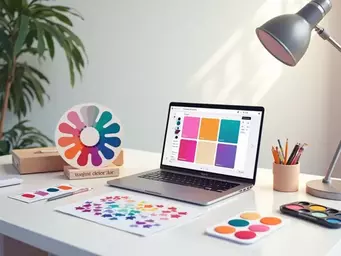
Understanding how different Pantone colors impact branding can significantly enhance consumer perception and emotional connection.
Blue is associated with trust and reliability, making it a favored choice for financial institutions.
Red evokes excitement and passion, commonly used in food branding to stimulate appetite.
Green represents health and tranquility, popular in wellness brands to convey a sense of calm.
Lively greens suggest growth and sustainability, appealing to environmentally conscious consumers.
In the world of branding, colors play a pivotal role, and this is where Pantone colors come into play. These colors are not just mere visuals; they are powerful tools that can define a brand's identity. The Pantone Matching System offers a standardized color communication method, ensuring that everyone from designers to printers is on the same page. This is essential for maintaining a coherent and professional appearance across all your marketing materials—something we prioritize at Print Shop Bunbury.
The significance of the Pantone Matching System cannot be overstated. It allows companies to convey their message and values through color consistently. For example, using a specific Pantone shade for your business cards and brochures ensures that your brand is instantly recognizable. This consistency helps reinforce your visual identity and builds trust with your audience.
To understand how to leverage Pantone colors effectively, it's crucial to explore their importance in enhancing visual identity. Each Pantone color carries its own personality and connotations, which can profoundly impact how your brand is perceived. By carefully selecting your brand colors from the Pantone palette, you can create a powerful visual narrative that resonates with your target audience.
Incorporating Pantone colors into your branding strategy is a great way to differentiate yourself in a crowded marketplace. Here are a few ways Pantone colors can enhance your visual identity:
The Pantone Matching System is vital for ensuring color accuracy. Without it, your brand's colors could vary significantly from one print job to another, which can confuse customers. This is especially important when using colors that are crucial to your brand identity. At Print Shop Bunbury, we rely on this system to ensure that every print job meets our high standards of quality and consistency.
Moreover, defining Pantone colors in your branding creates a clear framework for all design elements. This helps not only in maintaining a unified look but also in communicating your brand's ethos effectively. In our experience, color consistency can significantly enhance customer loyalty and recognition.
When it comes to visual identity, Pantone colors can significantly influence the impression your brand leaves. For instance, a vibrant blue might communicate trust and reliability, while a bold red could represent passion and energy. This connection between colors and emotions is rooted in color theory, which plays a critical role in branding.
At Print Shop Bunbury, we understand that the colors we choose can tell a story. By aligning your chosen Pantone shades with your brand's message, you can create a cohesive identity that speaks to your audience. Here’s how Pantone colors enhance visual identity:
Color theory is the backbone of effective branding. It explores the relationships between colors and the emotions they invoke. Understanding this can help you choose Pantone colors that best reflect your brand identity. For example, warm colors like reds and oranges can create feelings of excitement, while cool colors like blues and greens are calming and trustworthy.
Integrating color theory into your branding strategy can make a substantial difference. Brands that understand and utilize color theory effectively can craft a visual identity that not only captures attention but also fosters emotional connections with their audience.
Colors do more than just decorate; they impact consumer behavior significantly. The psychology behind color choices can influence purchasing decisions and brand loyalty. By understanding this impact, you can harness the power of Pantone colors to shape how your audience interacts with your brand.
Consider this: the right color can make a product more appealing, leading to increased sales. Here are some psychological effects of colors to consider:
Color psychology is an essential factor in branding, as it affects how consumers perceive products and brands. For instance, brands that choose colors wisely can create strong emotional connections with their customers. This is especially crucial for small businesses in competitive markets, like those we serve at Print Shop Bunbury, where every detail counts in making a lasting impression.
By selecting Pantone colors that align with your brand values and resonate with your audience, you can foster a strong emotional bond. This bond encourages customer loyalty and boosts brand recognition. So, the next time you think about your color palette, remember: it’s not just about aesthetics; it’s about emotional engagement!
Every Pantone color has a story to tell, and these stories influence consumer perceptions and emotions. For instance, a soft pastel color might evoke feelings of calm and comfort, while a vibrant neon could energize and inspire. Beyond mere aesthetics, the emotional undercurrents of these colors can significantly affect purchasing behavior.
Let's explore how specific Pantone colors can evoke different emotions:
Color associations can deeply influence brand perception, shaping how consumers view your products and services. These associations are often rooted in cultural meanings, personal experiences, and marketing influences. For example, yellow can symbolize optimism and happiness, making it a perfect choice for brands aiming to convey a positive vibe.
At Print Shop Bunbury, we often see how color associations impact our clients’ branding strategies. By thoughtfully choosing Pantone colors that align with desired associations, brands can strengthen their positioning in the market. This understanding fosters a more profound connection with consumers, ultimately enhancing brand loyalty.
How do you feel about the role of colors in branding? Do you think the emotional impact of Pantone colors influences your purchasing decisions? We want to hear from you!
As we wrap up our exploration of Pantone colors, it's clear that their influence is profound. These colors do more than just beautify a brand; they play a critical role in shaping consumer perception. It’s essential for us, at Print Shop Bunbury, to understand how these colors resonate with our audience and how we can leverage them to elevate our clients’ brands effectively.
From our discussion, we see that Pantone colors have the power to evoke emotions and create a lasting impression. As designers, we must be mindful of these effects when crafting visual identities. It’s not just about choosing a pretty color; it’s about selecting hues that tell a story and connect with the audience on a deeper level.
So, what are the key takeaways when it comes to Pantone colors and branding? Here are a few crucial points to remember:
By following these best practices, we can ensure that our branding strategies not only stand out but also resonate with our target audience. Remember, at Print Shop Bunbury, we aim to transform our clients' visions into impactful designs that speak to their customers!
Consumer perception is heavily influenced by color choices. Each Pantone shade can evoke different emotions and associations. For instance, blue often conveys trust and dependability, while red can symbolize energy and passion. Understanding these associations allows us to align our color selections with the brand messages our clients wish to convey.
As we consider the implications of color in branding, it’s also important to think about how personal experiences shape perceptions. For example, a client may have a particular affinity for a color due to a fond memory, which can guide the design process and enhance authenticity in their branding.
Integrating Pantone colors into branding strategies requires a thoughtful approach. Here are some recommended practices:
At Print Shop Bunbury, we often emphasize these practices when working with clients, as they are essential for creating memorable and effective brand identities.
Emotional branding is a powerful tool, and colors are at its heart. By carefully selecting Pantone shades, brands can evoke feelings that align with their mission. For example, a sustainable brand might opt for earthy tones to connect with environmentally conscious consumers.
As we design for our clients, we encourage them to think about the emotions they want to evoke and how colors can reflect that vision. The right colors can create a narrative that draws customers in and fosters loyalty. Are you ready to explore how color can transform your brand?
For brands looking to deepen their understanding of Pantone colors, there are ample resources available! Consider exploring:
At Print Shop Bunbury, we’re here to help you navigate the world of color branding! Have you had experiences with Pantone colors in your branding journey? We’d love to hear your stories and insights. Feel free to share your thoughts with us!
Here is a quick recap of the important points discussed in the article: