Have you ever wondered how a simple hue can influence your purchasing decisions? Colors do more than just beautify—they convey emotions and messages that can significantly affect consumer behavior. Understanding the psychology behind Pantone colors can empower your marketing strategy and enhance brand connection.
Discover how different colors evoke emotions, influence purchasing decisions, and enhance brand recognition below. To learn more about how design impacts your outreach, consider exploring graphic design and print in detail.
The right color can attract attention and create immediate interest in products.
Colors like blue invoke trust, making customers feel secure in their purchasing choices.
Bright colors like yellow can encourage action and stimulate impulse buys.
Unique colors help brands stand out from competitors and establish their identity.
In today’s vibrant marketplace, understanding the role of Pantone colors is essential for any business aiming to connect with its audience. Colors are not just visual elements; they communicate emotions, values, and even expectations. At Print Shop Bunbury, we recognize that using Pantone colors effectively can enhance our clients' marketing materials, helping them make a lasting impression in a crowded market.
Pantone colors are standardized shades that provide consistency across different mediums. This consistency is vital for brand recognition. When you see a company’s signature shade, you often feel a sense of familiarity and trust. This is why many brands, including ours, carefully choose their colors to reflect their identity and mission.
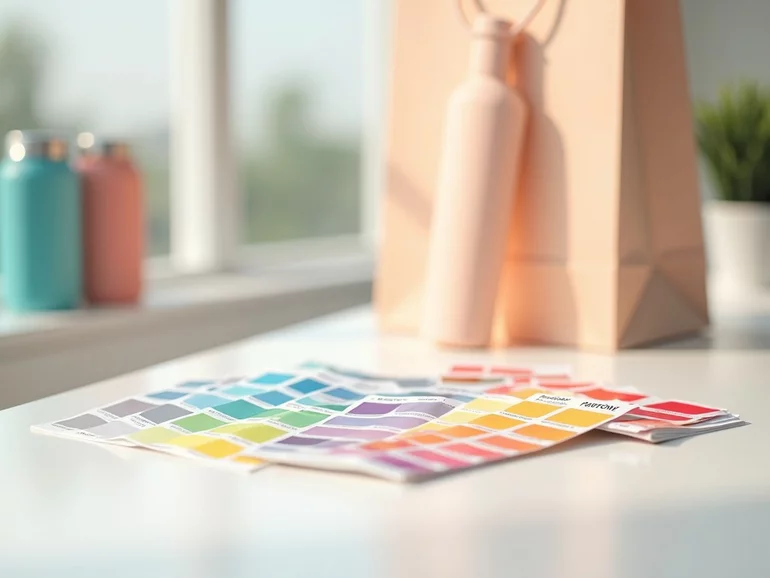
Pantone colors are part of a color matching system that designers and print specialists use to communicate color accurately. This system ensures that everyone involved in the production process – from graphic designers to printers – is on the same page. The significance of these colors in marketing lies in their ability to evoke specific feelings and reactions from consumers.
Using Pantone colors effectively in your marketing strategy can lead to improved brand recall and customer engagement. Here are a few significant areas where Pantone colors play a crucial role, including how they relate to a brand's Pantone colors and brand identity:
The relationship between color and consumer purchasing decisions is quite profound. Studies show that consumers make snap judgments about products within 90 seconds, and up to 90% of that assessment is based solely on color. This is something we consider carefully when designing print materials at Print Shop Bunbury.
Here are some insights into how colors influence buying behavior:
Color psychology is the study of how colors affect perceptions and behaviors. This concept is critical in shaping marketing strategies. Different colors can evoke different emotions and responses from consumers, which is a powerful tool for brands.
At Print Shop Bunbury, we utilize color psychology to enhance our clients’ marketing strategies effectively. Here’s how to leverage color psychology:
By understanding the role of Pantone colors and their psychological implications, we can create designs that resonate with audiences, ultimately driving better engagement and sales. It's fascinating how something as simple as color can significantly impact consumer behavior, isn’t it? For more on effective design, check out graphic design trends for print.
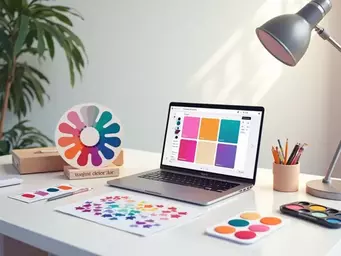
Did you know? When selecting Pantone colors for your brand, consider using a color wheel to identify complementary shades. This can enhance visual appeal and ensure your marketing materials stand out, effectively communicating your brand's message. Additionally, don't hesitate to conduct focus groups to gather feedback on color choices—what resonates with your audience can lead to more effective campaigns!
In today's fast-paced marketplace, understanding how Pantone colors influence consumer behavior is essential for marketers and brand strategists. Colors do more than just catch the eye—they convey messages and evoke emotions that can significantly impact purchasing decisions. With the right application of color theory, businesses like Print Shop Bunbury can tailor their marketing strategies to resonate more deeply with their audiences.
Here are some key takeaways that can help you leverage Pantone colors effectively:
When crafting a marketing strategy, consider these crucial insights regarding Pantone colors:
As I work with clients at Print Shop Bunbury, I always emphasize the importance of color in their designs. It’s fascinating how a simple shade can shift consumer perception and influence behavior!
Anticipating future trends in color marketing can give brands a competitive advantage. Here are some emerging trends to watch for:
At Print Shop Bunbury, we are keen on staying ahead of these trends, ensuring our clients’ branding is not just current but also forward-thinking!
By analyzing market research, businesses can better understand evolving color preferences. Here are some insights:
Understanding these trends helps Print Shop Bunbury provide tailored marketing materials that truly resonate with the target audience! For additional insights on enhancing your marketing efforts, explore enhancing marketing with print finishes.
Now that we've summarized the impact of Pantone colors, it's time to engage with these insights practically. Applying what we've learned can lead to significant improvements in your branding strategy!
Here are some common questions I encounter regarding Pantone colors:
I'd love to hear from you! How have you integrated color into your marketing strategy? What challenges have you faced? Sharing experiences not only adds depth to our discussions but also helps us grow together as a creative community.
Research shows that the right color choices can lead to improved sales. Here are some practical tips for using color effectively in advertising:
At Print Shop Bunbury, we use color strategically in all our print projects, ensuring that every design speaks to the intended audience while driving engagement and conversions! For further reading on making your brand stand out, consider print finishing techniques for brands.
Here is a quick recap of the important points discussed in the article: