First impressions are invaluable, especially in business. A well-designed business card can set the tone for a great relationship. But what if the card itself could communicate your brand's value beyond just the information it holds? The art of print finishing makes that possible!
This section highlights various unique print finishing techniques that enhance the appeal of business cards. Each technique has distinct benefits that contribute to a memorable branding experience. For a deeper dive into how these techniques can elevate your marketing, explore enhancing marketing with print finishes.
Creates shine and contrast, enhancing visibility and tactile experience.
Offers a velvet feel, enhancing durability and appealing to high-end clientele.
Adds dimension to the design, creating a memorable tactile experience.
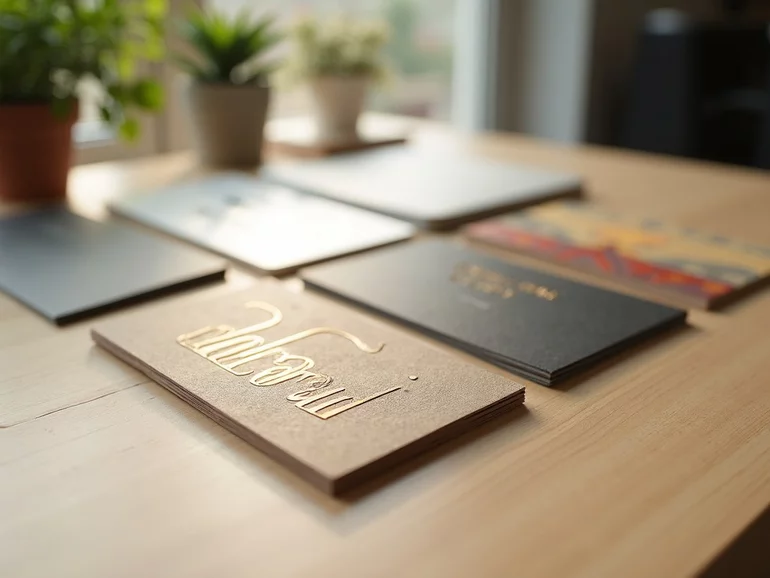
Applies metallic foil for striking visuals that convey a high-end brand image.
Creates custom shapes that reflect brand personality and enhance memorability.
Enhances tactile experience with unique sensory elements.
When it comes to making a memorable first impression, the details matter. Print finishing is the art of enhancing printed materials, especially business cards, to elevate their overall impact. It’s not just about what’s printed on the card; it’s about how it feels and how it looks. At Print Shop Bunbury, we believe that unique print finishing techniques can transform an ordinary business card into a powerful branding tool.
The importance of print finishing lies in its ability to convey quality and professionalism. A well-finished business card speaks volumes about your brand before you even utter a word. This is why integrating finishing techniques can be a game changer for your marketing materials, ensuring they stand out in a crowded marketplace. You can learn more about how exploring graphic design and print go hand-in-hand to create impactful results.
Unique print finishing includes various techniques that add visual or tactile elements to your designs, making them more engaging. Some common methods are:
Each of these techniques can uniquely enhance your business card’s aesthetics and functionality. By incorporating these creative touches, you can ensure that your card not only captures attention but also leaves a lasting impression on potential clients.
Let’s face it: first impressions count! The right print finishing can significantly impact how others perceive your brand. A premium finish conveys a sense of luxury and attention to detail, reinforcing your brand’s message. A well-finished business card can make you appear more professional and trustworthy, helping to establish rapport with new contacts.
Furthermore, investing in premium finishes can elevate your branding efforts, making your cards more memorable. When potential clients receive a beautifully finished card, they’re more likely to keep it and reach out to you later. So why not invest in your brand’s success by exploring the unique print finishing options available at Print Shop Bunbury? Understanding print finishing and customer perception can further guide your choices.
Spot UV and spot gloss finishes are excellent for adding visual interest to your business cards. While Spot UV creates a shiny surface on specific areas, spot gloss offers a more subtle sheen. These techniques help highlight elements like your logo or key text, making them pop against a matte background.
Benefits of using Spot UV and spot gloss include:
Imagine holding a business card that feels like velvet! Soft-touch lamination offers a luxurious feel that sets your card apart. This smooth finish not only looks elegant but also makes the card more durable and resistant to wear and tear.
Some advantages of soft-touch lamination include:
Both embossing and debossing techniques add depth to your cards by raising or lowering specific elements of the design. This creates a tactile experience that invites touch, making your card stand out even more. Imagine a beautifully embossed logo that draws attention and adds character!
Benefits of embossing and debossing include:
Foil stamping is a technique that applies a metallic foil to specific areas of your card, often used for logos or accent text. Gold and silver foils can create a stunning visual impact that resonates with luxury and elegance.
Here’s why foil stamping is a great choice for your business cards:
Gone are the days of standard rectangular business cards! With die-cutting technology, you can create custom shapes that reflect your brand's personality. Unique shapes not only grab attention but also make your card more memorable.
Some creative die-cut options include:
Adding a textured finish to your business cards can elevate them to a new level. Textured finishes can range from linen-like patterns to sandpaper-like surfaces, giving your card an added layer of sophistication.
Benefits of textured finishes include:
Edge painting is an often-overlooked technique that can add a splash of color to your business cards. By painting the edges in a bold hue, you create a unique presentation that draws the eye.
Consider these benefits of edge painting:
Transparent cards offer a trendy and modern aesthetic that can help your brand stand out. These cards are versatile, allowing for creative designs that incorporate both transparent and opaque elements, making them truly unique.
Here are some reasons to consider transparent cards:
For more inspiration on how different design elements impact brand identity, check out our insights on Pantone colors and brand identity.
When selecting finishes for your business cards, consider combining multiple techniques for a truly unique effect. For example, pairing embossing with foil stamping can create a stunning three-dimensional look that draws the eye and enhances tactile engagement. Don't shy away from experimenting with different combinations to find the perfect match for your brand's identity!
In the world of business cards, unique print finishing techniques serve as the secret sauce that elevates your brand. From the luxurious touch of soft-touch lamination to the eye-catching elegance of foil stamping, each technique plays a vital role in enhancing the overall impact of your cards. These finishes not only enhance visual appeal but also create a tactile experience that can leave a lasting impression on clients and prospects.
Moreover, investing in quality print finishes signals to your audience that you care about your brand and are willing to go the extra mile. Remember, a well-finished business card reflects professionalism and attention to detail, which can have a significant impact on how your business is perceived. As a part of Print Shop Bunbury's commitment to providing innovative design solutions, we believe that understanding these benefits will empower you to make informed decisions for your branding. For more insights into professional branding, consider why invest in graphic design.
When it comes to selecting the right print finishing options for your business cards, there are several factors to consider. Here are some actionable steps to help guide your decision-making process:
At Print Shop Bunbury, we’re here to assist you in making these choices to ensure your business cards not only stand out visually but also resonate with your audience! Each finish can tell a unique story about your brand, so let’s make sure yours is memorable.
Are you ready to take the next step towards crafting your ideal business card? Don’t hesitate to contact us at Print Shop Bunbury! Our team of experts is eager to help you explore the myriad of print finishing options available. Together, we can create a business card that not only conveys your brand message but also leaves a lasting impression. Let’s get started on your design journey today!
Here is a quick recap of the important points discussed in the article: