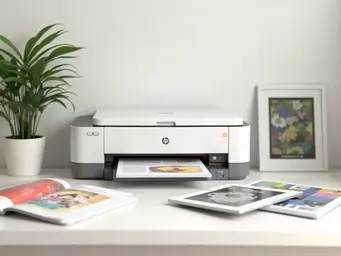
Glossy
Vibrant and eye-catching, ideal for marketing materials where color richness is essential.
Best Use Cases: Brochures, posters, and advertisements.

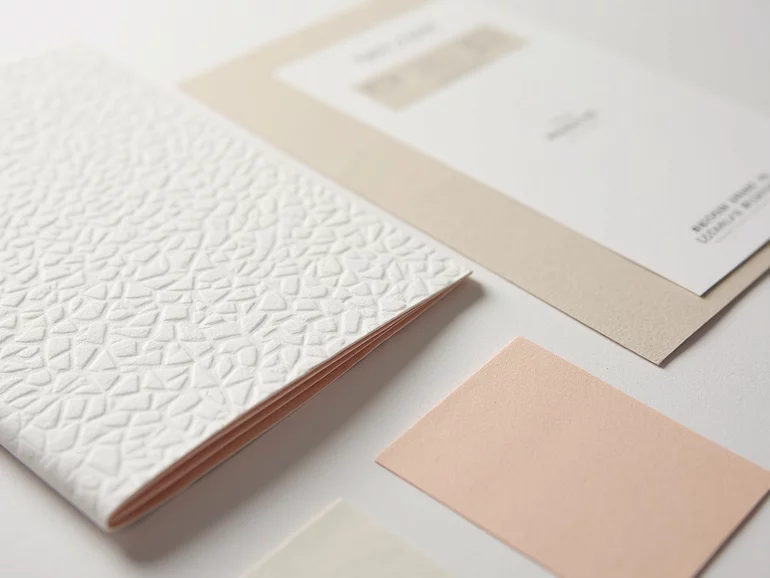
Did you know that the tactile experience of print materials can significantly influence consumer perception and engagement? In a world dominated by digital interfaces, the feel of a physical item can evoke emotions and strengthen brand connections. Let's delve into the essential role of texture in print marketing and discover how you can harness it for your brand's success.
Textured materials significantly impact brand perception and consumer behavior. Below are key comparisons of different texture types and their uses.
Vibrant and eye-catching, ideal for marketing materials where color richness is essential.
Best Use Cases: Brochures, posters, and advertisements.
Subtle and refined, providing a sophisticated look.
Best Use Cases: Professional business cards and elegant brochures.
Textured and sophisticated, adds class and tactile interest.
Best Use Cases: High-end invitations or stationery.
Natural and rustic feel, often used for eco-friendly branding.
Best Use Cases: Eco-conscious brands and sustainable packaging.
Texture plays a crucial role in our print marketing materials, elevating the way brands connect with their audiences. At Print Shop Bunbury, we understand that it's not just about the visuals but also the feelings those visuals evoke. When we incorporate texture, we're enhancing the tactile experience that can lead to stronger brand recognition and loyalty.
When we think about texture, we often picture the smoothness of glossy finishes or the rustic charm of Kraft papers. These elements contribute not only to the aesthetic appeal of marketing materials but also significantly influence brand perception. When you choose the right texture for your printed materials, you’re not just creating something beautiful—you’re enhancing how your audience interacts with your brand. To further enhance your marketing efforts, consider exploring various print finishing techniques that can add another layer of sophistication and impact.
In marketing, texture is far more than a physical characteristic; it’s a vital component that shapes consumer experiences. A well-chosen texture can make your brand feel more approachable, trustworthy, and memorable. Think about it—would you rather receive a business card that feels cheap and flimsy or one that feels luxurious and substantial? The answer is simple.
Here are some ways texture contributes to successful marketing:
Texture refers to the surface quality of an object, which can be felt or seen. In print marketing, it plays an essential role in how consumers perceive a brand. For instance, a soft-touch laminate can create a sense of warmth and approachability, while a glossy finish might convey modernity and sophistication. The right texture aligns with your brand's identity and can set you apart from competitors.
Imagine holding a beautifully textured brochure from Print Shop Bunbury. The feel of the paper can enhance the overall experience, subtly conveying quality and attention to detail. This careful thought behind texture signifies to potential customers that your brand values quality, encouraging them to trust your offerings. This concept is closely related to how print finishing influences customer perception, reinforcing the importance of tactile elements.
Tactile experiences shape our behavior in ways we often overlook. Studies show that when consumers engage with textured materials, they are more likely to remember the brand and feel positively toward it. This is why at Print Shop Bunbury, we emphasize the use of unique textures in our print solutions.
Consider these effects of tactile experiences:
Understanding different types of textures can significantly impact your print marketing strategy. Each texture brings a unique quality that can enhance or detract from your printed materials. At Print Shop Bunbury, we offer a variety of textures to suit different branding needs.
Here’s a look at some common textures and their effects on print quality:
When choosing the right texture, it’s essential to understand the differences among them. Each offers unique aesthetic and functional benefits. Here’s how they stack up:
| Texture Type | Aesthetic Appeal | Best Use Cases |
|---|---|---|
| Glossy | Vibrant and eye-catching | Marketing materials where color richness is essential |
| Matte | Subtle and refined | Professional business cards and brochures |
| Linen | Textured and sophisticated | High-end invitations or stationery |
| Kraft | Natural and rustic | Eco-conscious brands and packaging |
The ink absorption and durability of print materials are vital factors to consider when selecting textures. Different surfaces interact with ink in unique ways, affecting the final product's quality. For instance, glossy papers often provide vibrant colors but may smudge if not handled carefully.
On the other hand, matte finishes tend to absorb ink better, providing a more muted yet sophisticated appearance. Understanding these differences can help you choose the ideal texture that not only looks good but also meets your functional needs.
Applying texture strategically in your print marketing materials can create memorable experiences for your customers. At Print Shop Bunbury, we believe that well-considered textures enhance the overall quality of marketing efforts. This thoughtful approach can lead to higher engagement and conversions.
Here are practical applications of texture in print marketing:
When selecting textured paper for business cards or brochures, consider the impression you want to convey. A tactile experience can enhance how your brand is perceived and remembered. At Print Shop Bunbury, we help clients choose the right texture that aligns with their branding goals.
Here are some popular textured paper options suitable for business cards and brochures:
Packaging is a critical touchpoint in customer interaction, and texture can enhance this experience significantly. By choosing the right texture, brands can create a memorable and engaging unboxing experience. For example, a textured box can evoke excitement and anticipation, making customers feel valued. This is a key aspect of how print finishing trends influence branding and consumer engagement.
Here are ways to effectively use texture in packaging:
Incorporating texture into print materials can be achieved through various techniques that add depth and visual appeal. At Print Shop Bunbury, we’re passionate about helping businesses explore these techniques to elevate their marketing materials.
Here are some effective techniques to enhance texture:
Embossing and foil stamping are two powerful techniques that can elevate your print materials. Embossing creates a raised effect on the surface, adding a tactile dimension that invites touch. Foil stamping, on the other hand, adds a metallic sheen that draws attention and enhances visual appeal.
These techniques can be applied to various print materials, including:
Spot UV is a fantastic technique that offers an exciting visual effect by applying a glossy finish to specific areas of a print material. This contrast between matte and glossy surfaces creates an engaging visual experience that can draw the eye and hold attention.
Consider using Spot UV for:
As the emphasis on sustainability continues to grow, texture choices in print marketing materials are increasingly viewed through an eco-friendly lens. Opting for sustainable textures can reinforce your brand's commitment to the environment, a value that resonates with many consumers.
At Print Shop Bunbury, we are dedicated to providing eco-friendly options that do not compromise on quality or aesthetics.
Here are some sustainable texture choices to consider:
Recycled papers are not only a sustainable choice but also provide unique textures that can enhance your print materials. By choosing recycled options, you showcase your commitment to sustainability, which can resonate with environmentally conscious consumers.
Additionally, recycled materials often have a distinct character, giving your prints a unique and authentic feel. This can help strengthen your brand's eco-friendly image and attract like-minded customers.
It's essential to communicate your sustainability efforts through the textures you choose. Integrating textures associated with eco-friendliness can enhance your brand’s message. For instance, using textured recycled paper can signal your commitment to the environment, making your marketing materials not only visually appealing but also meaningful.
Consider these strategies to reinforce your sustainability message:
Texture enhances not just the physical aspects of print materials but also plays a vital role in graphic design. By thoughtfully incorporating texture into your layout, you can create a visual hierarchy that guides the viewer’s eye and enhances storytelling.
Here are a few ways texture can impact graphic design:
Incorporating texture into your layout design not only adds an aesthetic appeal but also enhances the overall user experience. By strategically placing textured elements, you can guide the reader's eye to important information and create a memorable impression.
Consider these layout strategies:
Combining color theory with texture can significantly enhance emotional connections in print materials. Colors evoke feelings, and when paired with the right texture, they can create a powerful impact on consumer perception.
Here are some tips for effectively using color and texture together:
Selecting the right materials for your print marketing is essential for achieving the desired impact. The texture and quality of the material can significantly affect how your brand is perceived. At Print Shop Bunbury, we take pride in offering a variety of high-quality material options to ensure your print marketing stands out. For a deeper understanding of how these elements come together, consider exploring graphic design and print in more detail.
Here’s what to consider when choosing materials:
Different paper types have unique characteristics that can greatly influence print quality. Understanding these differences can help you make informed decisions when selecting materials for your marketing materials.
Here are some common paper types and their impacts:
Texture coatings can significantly enhance the aesthetic appeal of print materials while offering additional benefits like durability. Evaluating different coating options can help you achieve the desired look and feel for your project.
When considering texture coatings, keep these factors in mind:
When selecting textures for your print marketing materials, always consider the emotional response you want to evoke. For instance, if your brand aims to convey luxury and sophistication, opt for soft-touch laminates or linen textures. Conversely, if your brand focuses on eco-friendliness, textures like Kraft paper can reinforce that message while appealing to environmentally conscious consumers. This strategic choice not only enhances the tactile experience but also aligns with your brand's core values.
In closing, it’s clear that texture plays a pivotal role in shaping how people perceive your brand. By consciously incorporating texture into your print marketing materials, you create a *tactile experience* that communicates quality and care. This can lead to improved consumer engagement and ultimately, greater brand loyalty.
Let’s summarize the psychological benefits of texture in print. Textured materials can evoke emotions, enhance memorability, and foster a deeper connection with your audience. When customers can feel the quality of your business cards or brochures, it reflects your commitment to excellence—a core value we champion at Print Shop Bunbury.
Using texture effectively means understanding its impact on your audience. Here’s how you can leverage texture to communicate effectively:
As you think about your print marketing approach, remember that at Print Shop Bunbury, we believe in empowering brands through exceptional design and texture integration. It’s not just about what you say but how you say it—*with feeling*!
Now that you’re equipped with the knowledge of how texture can enhance your marketing efforts, let’s explore some practical tips for selecting the right texture for your needs:
To help you get started, we’re excited to offer a *free texture selector tool* on our website. This resource will guide you in choosing the perfect texture for your printed materials. Together, let’s elevate your brand’s visual identity through the power of texture! Remember, making informed decisions about your print materials can significantly enhance your branding with design and print.
Remember, every print material is an opportunity to communicate your brand’s essence. Let’s make it memorable with the right texture!
Here is a quick recap of the important points discussed in the article: